Why Planters Matter in Design
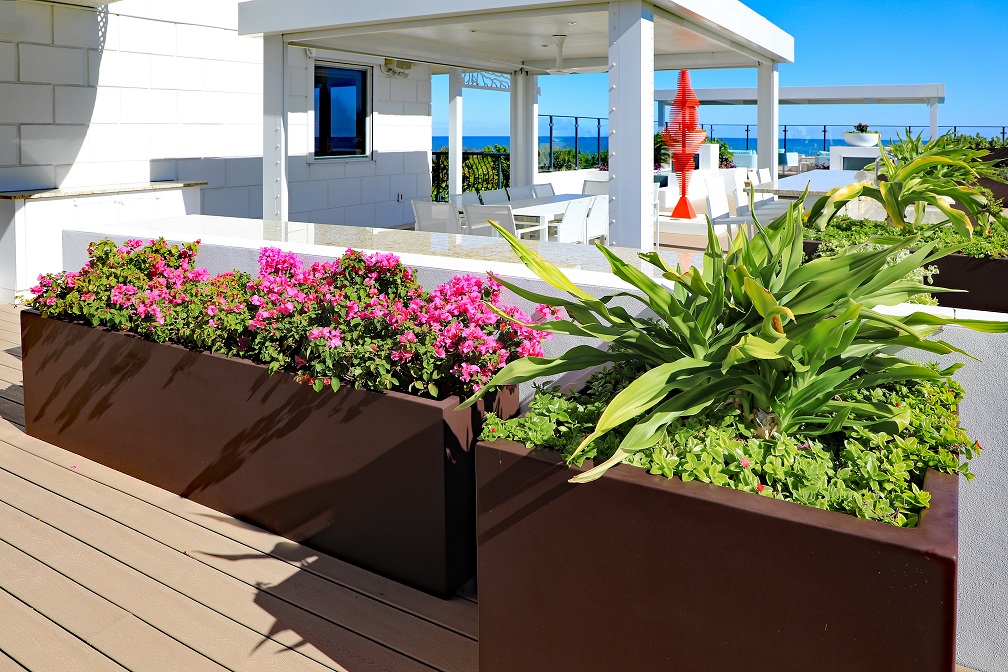
Architects and designers are increasingly using planters not just for function, but for aesthetic and experiential purposes. A well-placed pot can:
- Create a natural focal point in a room or courtyard.
- Define pathways and entrances in hotels and resorts.
- Improve air quality and overall ambience in homes and offices.
- Blend indoor and outdoor spaces seamlessly.
Planters as Architectural Elements
In modern Kenyan architecture, especially in Nairobi and coastal regions, planters are becoming structural. Large concrete planters are integrated into walls, balconies, and stairways to provide greenery and shade. Meanwhile, fiberglass planters offer flexibility for contemporary high-rise apartments where weight is a concern. By treating planters as part of the architectural framework, designers achieve harmony between nature and built environments.
Aesthetic Harmony Across Spaces
Different types of pots evoke different moods, making them versatile tools for diverse settings:
- Homes: Fiberglass planters add sleek elegance to modern living rooms or balconies. For rustic homes, rattan pots offer warmth and texture.
- Hotels & Resorts: Concrete and fiberglass planters create bold outdoor statements, guiding guests through landscaped gardens or framing swimming pools.
- Restaurants & Cafés: Small rattan or hanging pots create cozy corners that encourage lingering and social media-worthy photos.
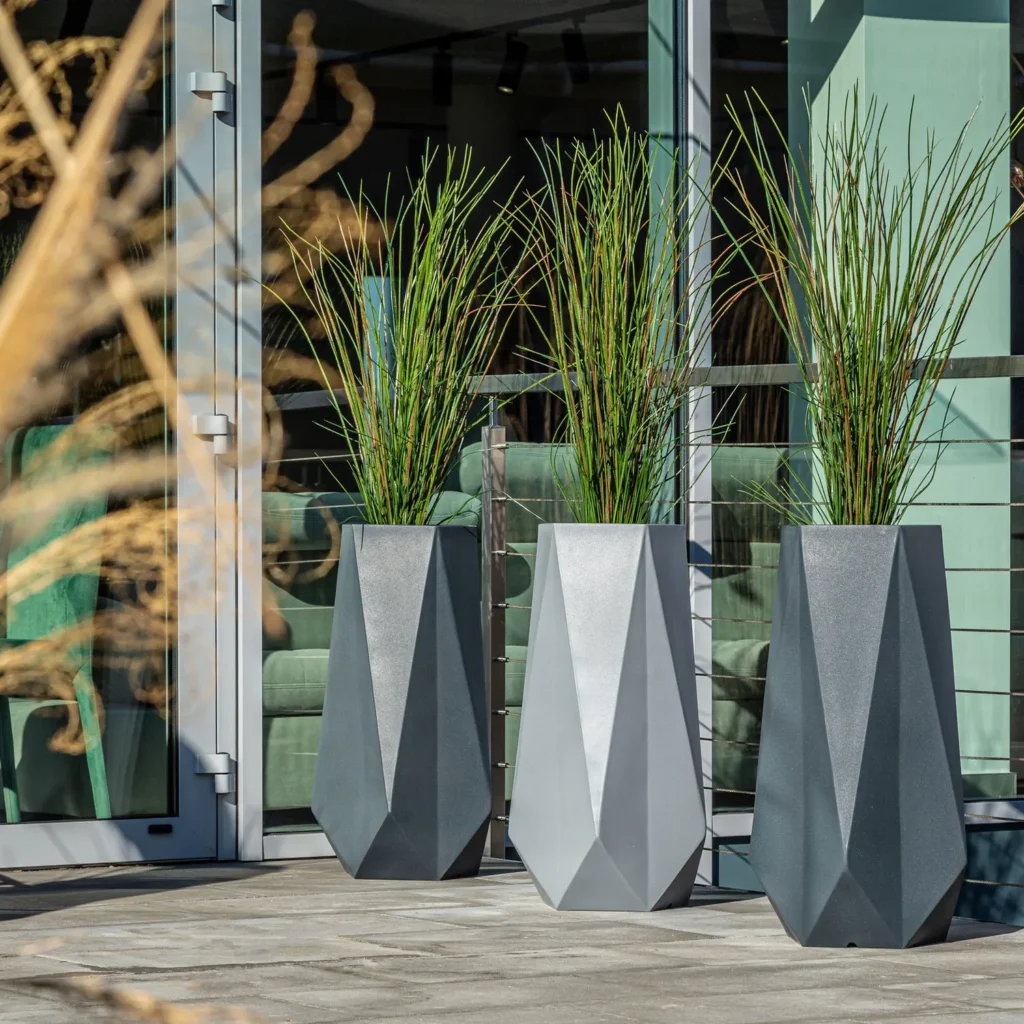
- Art Galleries & Offices: Minimalist fiberglass planters highlight statement plants that complement art pieces and promote calmness.
Practical Considerations for Kenyan Spaces
- Weight vs. Mobility: Concrete planters are excellent for permanent fixtures, while fiberglass and plastic are better for spaces requiring frequent rearrangement.
- Drainage: Proper drainage is critical, especially in Nairobi’s rainy season, to protect plant health and avoid water damage to indoor floors.
- Durability: Fiberglass performs exceptionally well in changing weather conditions. Rattan thrives indoors or in shaded areas but is less suited to open gardens.
- Cost & Longevity: Plastic is affordable for starter plants, but concrete and fiberglass pots are long-term investments that save on replacements.
Integrating Planters in Architectural Design
When incorporated from the design stage, planters transform how people experience a building. Architects often consider:
- Scale & Proportion: Large fiberglass planters emphasize vertical growth in high-ceiling lobbies, while small rattan pots soften intimate dining areas.
- Light & Ventilation: Planter placement near windows and atriums maximizes natural light and ventilation, supporting plant health.
- Flow & Movement: In hotels and resorts, planters help guide guests from reception to lounges and outdoor areas without visible barriers.
- Cultural & Regional Identity: Planters filled with indigenous plants like bougainvillea or succulents connect modern architecture with Kenya’s rich natural heritage.
Case Studies in Kenya
Boutique Hotels in Naivasha: Concrete planters with vibrant bougainvillea line pathways, creating vibrant, photo-friendly spaces.
Urban Apartments in Kilimani: Lightweight fiberglass pots add greenery to balconies without stressing structural weight limits.
Restaurants in Karen: Rattan pots create intimate, cozy dining corners filled with herbs and ferns, enhancing both beauty and functionality.
Art Galleries in Westlands: Minimalist fiberglass planters with sculptural plants complement exhibits, creating harmony between art and nature.
Final Thoughts
Planters are no longer afterthoughts. They’re tools for architects, designers, and homeowners who want to create living spaces that breathe. By understanding the strengths of different materials — fiberglass, rattan, concrete, and plastic — and their ideal use cases, Kenyans can design homes, hotels, and public spaces that are both practical and inspiring
