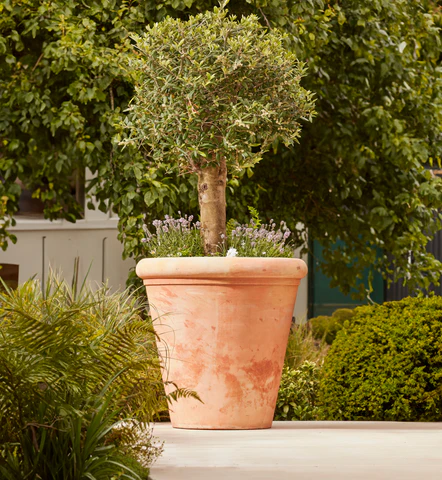
What Are Clay Pots?
Clay pots are made from natural, unglazed clay that is shaped and fired at moderate temperatures. This traditional method gives them their distinctive reddish-brown tone, porous texture, and natural breathability. Each pot carries slight variations in color and texture — making every piece unique.
At pots.co.ke, we celebrate the artistry of clay pots by offering designs suited for Kenyan homes, hotels, and garden projects. Our collection blends tradition with modern forms — simple, authentic, and beautifully crafted.
Advantages of Clay Pots
1. Excellent Breathability
Clay pots allow air and moisture to move through the walls, promoting healthier root systems and preventing waterlogging. This natural airflow makes them especially ideal for tropical climates like Kenya’s, where managing humidity and moisture is key to plant health.
2. Natural Cooling Effect
The porous surface of clay pots keeps soil temperatures balanced. During hot days, evaporation through the pot’s walls cools the roots, keeping plants fresh and thriving — especially for outdoor settings in Nairobi, Mombasa, or Nakuru.
3. Eco-Friendly & Sustainable
Clay pots are fully natural and biodegradable, made without synthetic materials. They can be reused, recycled, or broken down into the soil, making them one of the most environmentally friendly planter options available.
4. Aesthetic Appeal
The earthy tone and simple texture of clay pots add a rustic, timeless elegance. They blend seamlessly with natural surroundings — complementing everything from wooden decks to lush gardens and modern minimalist spaces.
5. Weight & Stability
Clay pots are heavier than plastic or fiberglass, offering excellent stability for tall or top-heavy plants. This makes them perfect for windy outdoor areas or spacious garden layouts.
Disadvantages of Clay Pots
1. Fragility
Like terracotta, clay pots can break if dropped or mishandled. It’s important to handle them with care during transport or when moving them between indoor and outdoor areas.
2. Quick Drying Soil
Because clay pots are porous, water evaporates faster — which means you’ll need to water plants more frequently, especially in hot weather.
3. Staining and Algae Growth
With time, mineral deposits or algae may appear on the surface. While many plant enthusiasts see this as part of the clay pot’s rustic beauty, you can clean the surface using a mild vinegar solution for a fresh look.
Indoor vs Outdoor Suitability
Indoor Use
Clay pots bring warmth and natural charm into interior spaces. They work beautifully for indoor plants like snake plants, pothos, and rubber plants. To protect your floors and furniture, always use a saucer underneath to catch excess water.
Outdoor Use
Outdoors, clay pots thrive — they are ideal for gardens, balconies, and courtyards. Their weight ensures stability, and their earthy look harmonizes with both greenery and stone. They are especially popular for growing herbs, succulents, and flowering plants in Kenyan gardens.
Best Plants for Clay Pots
- Succulents: Aloe vera, jade plants, and echeveria — the breathable material helps prevent overwatering.
- Herbs: Basil, rosemary, mint, and thyme — perfect for sunny patios or kitchen windowsills.
- Flowering Plants: Geraniums, petunias, and daisies thrive beautifully in clay pots.
- Houseplants: Indoor-friendly varieties like pothos, spider plants, and dracaena enjoy the moisture balance of clay.
Styling Ideas for Clay Pots in Kenyan Spaces
1. Homes
Use clay pots to add warmth to indoor corners or balconies. Pair small clay pots with succulents for minimalist home offices or cluster medium-sized ones along verandas for rustic charm.
2. Hotels & Resorts
Clay pots enhance the natural feel of hospitality spaces. At resorts along the Kenyan coast, they blend perfectly with palm trees and stone pathways, while in lodges or retreats, they echo
