What is Terracotta?
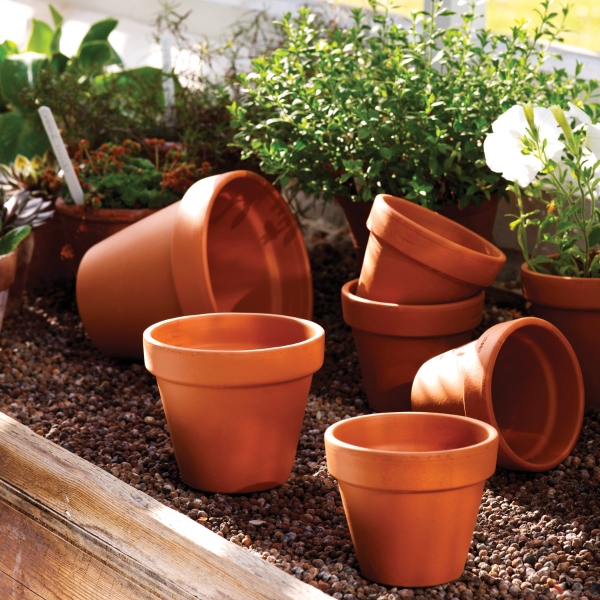
Terracotta, derived from the Italian words for “baked earth,” is a type of clay-based ceramic that is fired at a relatively low temperature. The result is a porous material that allows air and water to move freely through its walls, creating an ideal environment for healthy root systems.
Terracotta pots have a natural, rustic charm that complements all kinds of settings — from traditional gardens to contemporary balconies and minimalist interiors. At pots.co.ke, we offer a variety of terracotta planters designed to fit Kenyan climates and spaces, whether you’re decorating a home, hotel, office, or restaurant terrace.
Advantages of Terracotta Pots
1. Natural Breathability
Terracotta’s porous nature allows for excellent airflow and moisture control. This breathability prevents root rot and encourages strong, healthy root growth — especially for plants that dislike waterlogged soil, such as succulents, herbs, and cacti.
2. Temperature Regulation
In Kenya’s warm climate, terracotta pots help regulate soil temperature. The clay material keeps the roots cool during hot afternoons while allowing excess moisture to evaporate, making them ideal for outdoor and indoor use alike.
3. Timeless Aesthetic Appeal
The warm, earthy tone of terracotta adds instant elegance to any space. It blends effortlessly with natural materials such as stone, rattan, and wood, making it a perfect addition to modern apartments, urban balconies, and lush hotel gardens.
4. Eco-Friendly Material
Terracotta is made from natural clay and contains no synthetic components, making it an environmentally friendly choice. Its production process uses minimal energy, and broken pots can even be recycled into garden mulch or drainage material.
5. Weight and Stability
Terracotta pots are heavier than plastic but lighter than concrete, offering the perfect balance of stability and manageability. They hold their ground during windy conditions without being too cumbersome to move.
Disadvantages of Terracotta Pots
1. Fragility
Terracotta pots are prone to chipping or breaking if dropped or exposed to sudden impact. Handle them with care, especially when moving large planters or repositioning them on balconies and patios.
2. Quick Drying
The same breathability that makes terracotta great for roots also means soil can dry out faster, especially in hot Kenyan climates. Regular watering and mulching are essential to keep moisture levels consistent.
3. Staining and Salt Buildup
Over time, you may notice white mineral deposits or dark patches on the surface of your terracotta pots. While some see this as part of its rustic charm, you can clean it using vinegar and water for a refreshed look.
4. Weight for Large Pots
Although not as heavy as concrete, large terracotta pots can still be difficult to move once filled with soil and plants. Consider placing them on rolling bases or pot stands if you plan frequent rearrangements.
Indoor vs. Outdoor Use
Indoor Use
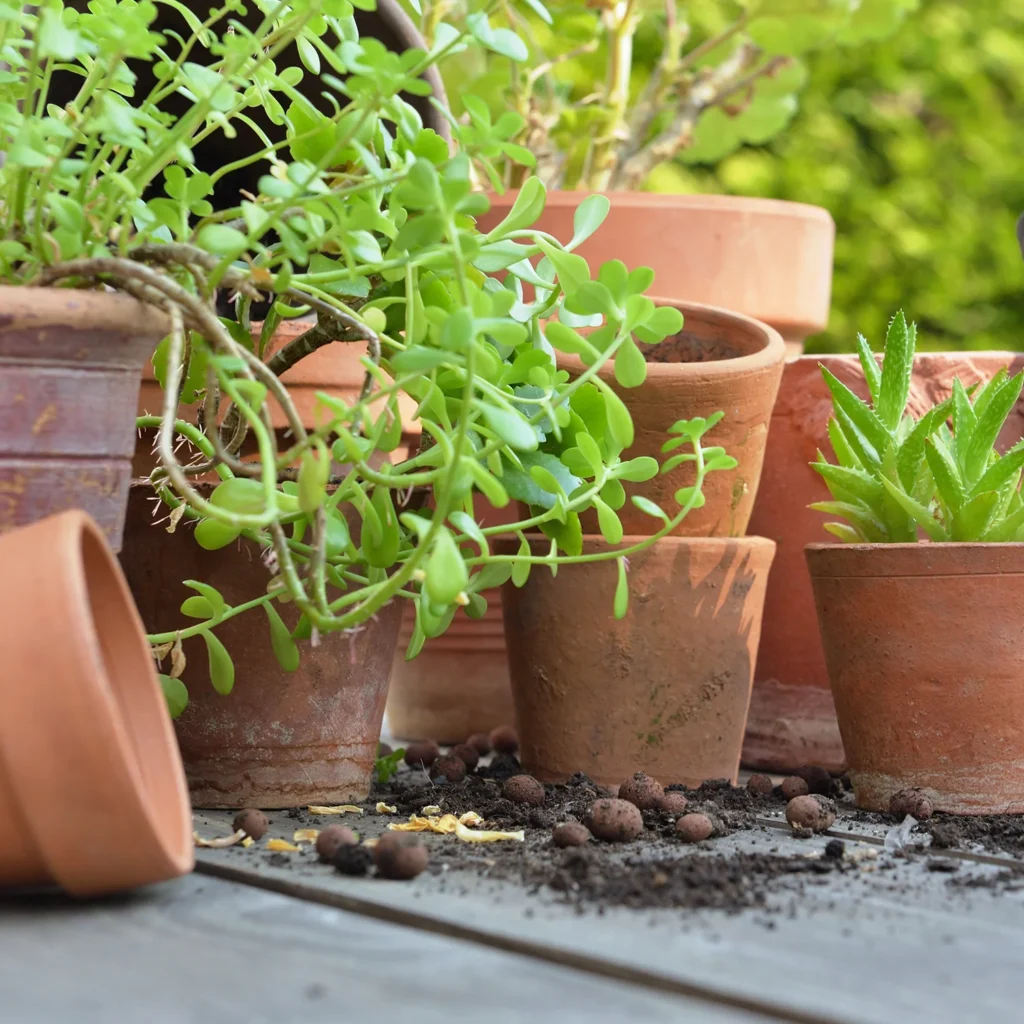
Indoors, terracotta pots bring warmth and natural texture to your living space. They pair beautifully with green foliage like ferns, philodendrons, pothos, and peace lilies. To protect indoor surfaces, use pots with trays or place them on ceramic saucers to catch excess water.
Outdoor Use
Terracotta thrives outdoors, especially in well-ventilated balconies, verandas, or garden beds. Their earthy tones blend seamlessly with Kenya’s landscapes — from coastal gardens in Mombasa to urban patios in Nairobi and Nakuru. For outdoor setups, seal your pots annually with a clay sealer to reduce cracking during heavy rains or temperature fluctuations.
Best Plants for Terracotta Pots
- Succulents & Cacti: Terracotta’s quick-drying nature prevents overwatering, which is ideal for drought-tolerant plants like aloe vera, jade plants, and echeveria.
- Herbs: Basil, rosemary, mint, and thyme flourish in breathable terracotta, making them great for kitchen windowsills or garden herb corners.
- Flowering Plants: Geraniums, petunias, and marigolds pop against terracotta’s earthy background, offering vibrant outdoor displays.
- Houseplants: For interiors, try leafy varieties such as pothos, rubber plants, and snake plants in sealed or lined terracotta planters.
Styling Terracotta Pots in Kenyan Spaces
1. For Homes
Terracotta pots add authenticity and warmth to home décor. Cluster small pots on a coffee table or windowsill for a rustic charm, or use large ones to frame doorways and verandas. Combine them with woven baskets and wooden accents for a natural, cozy aesthetic.
2. For Hotels and Resorts
Hotels along the Kenyan coast and in safari lodges use terracotta pots to evoke a sense of earthy luxury. They enhance courtyards, poolside lounges, and reception areas, complementing tropical and Mediterranean-inspired designs.
3. For Restaurants and Cafés
From Karen’s garden cafés to Naivasha’s lake-view restaurants, terracotta pots create an inviting, relaxed vibe. Fill them with herbs, flowers, or hanging vines to enhance ambiance and connect guests with nature.
4. For Offices and Galleries
Terracotta planters in modern workspaces or galleries bring life to minimalistic designs. Their organic texture softens rigid architectural lines and promotes a balanced, biophilic atmosphere that inspires creativity and calm.
Tips for Maintaining Terracotta Pots
- Seal for Longevity: Use a clear, breathable sealant to reduce water absorption and prevent cracking during rainy seasons.
- Clean Regularly: Wipe off mineral buildup with a mix of water and vinegar to keep pots looking fresh.
- Winter Care: In cooler regions, move terracotta pots indoors or under shelter to prevent frost damage.
- Use Pot Feet or Trays: Elevate pots slightly off the ground for better drainage and to prevent staining surfaces.
Terracotta vs. Other Materials
Compared to fiberglass, rattan, concrete, and plastic, terracotta offers a unique balance of natural beauty and functionality. It’s more breathable than fiberglass and concrete, more stable than rattan, and far more aesthetic than plastic. However, it does require more care and frequent watering, especially in sunny areas like Nairobi or Kisumu.
Final Thoughts
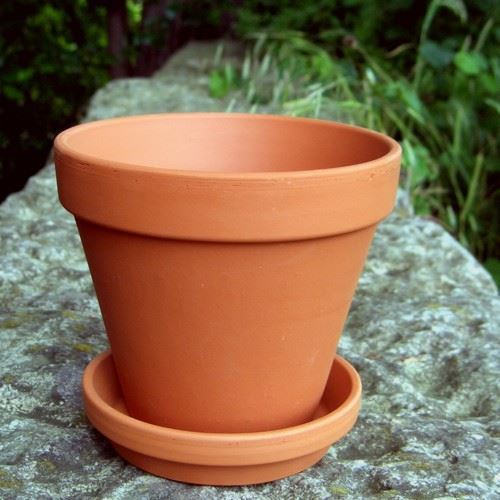
Terracotta pots are a timeless choice — loved for their organic charm, versatility, and ability to promote plant health. Whether you’re styling a modern apartment, curating a hotel courtyard, or adding character to a restaurant terrace, terracotta remains a classic that never goes out of style.
At pots.co.ke, we bring you high-quality terracotta planters in a variety of sizes, textures, and designs suited for Kenyan homes, hotels, and offices. Each piece is crafted to complement your greenery while standing the test of time.
🌿 Ready to Transform Your Space?
Explore our full range of terracotta planters and discover how the right pot can bring warmth, texture, and life to your indoor or outdoor space.
