The Fusion of Usability and Aesthetics
When choosing a planter, functionality must meet beauty. A well-designed pot supports plant growth while enhancing the visual appeal of a room or garden. Consider the following dimensions:
- Functionality: Concrete planters provide stability for trees and large shrubs. Lightweight fiberglass or plastic makes rearrangement easy, especially in indoor spaces.
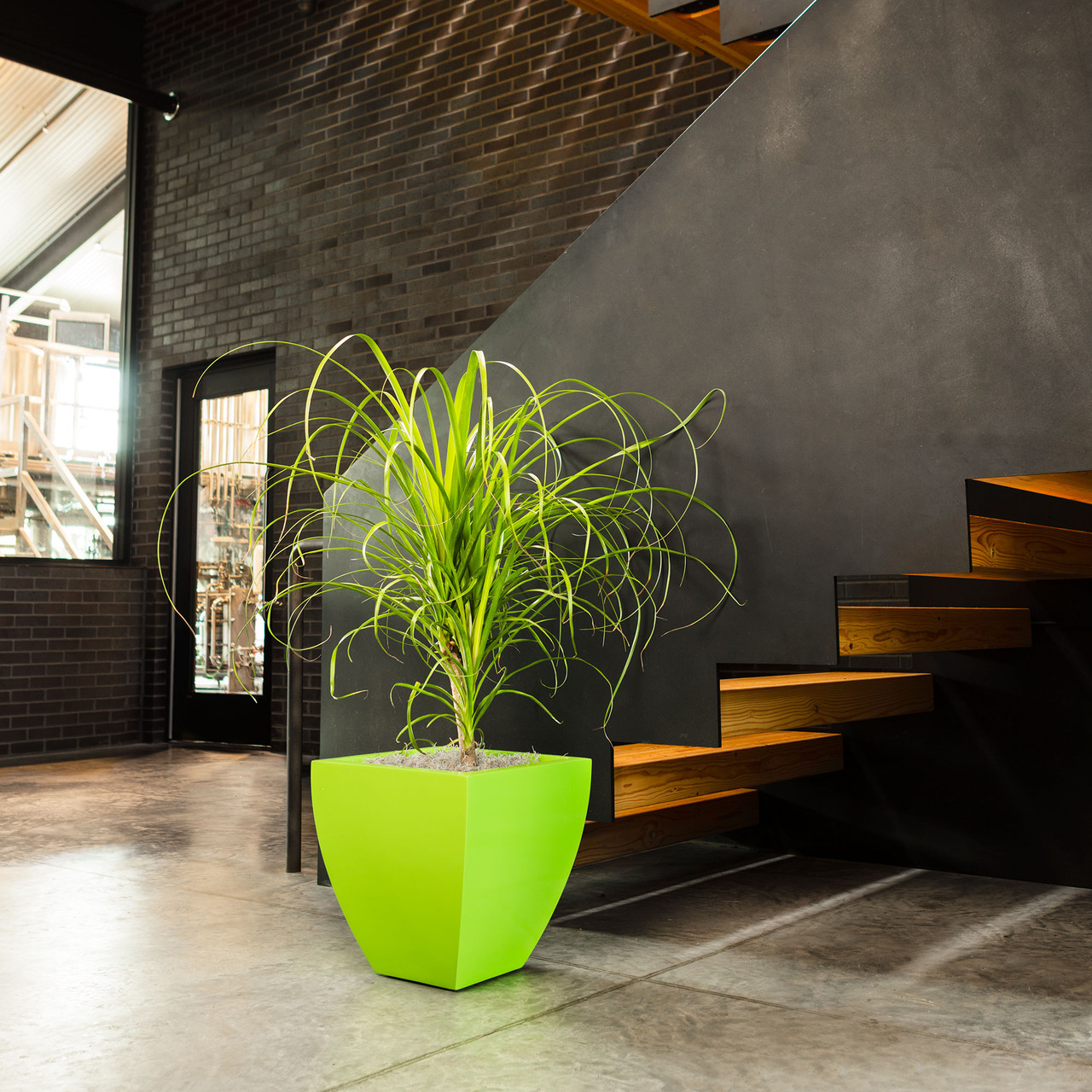
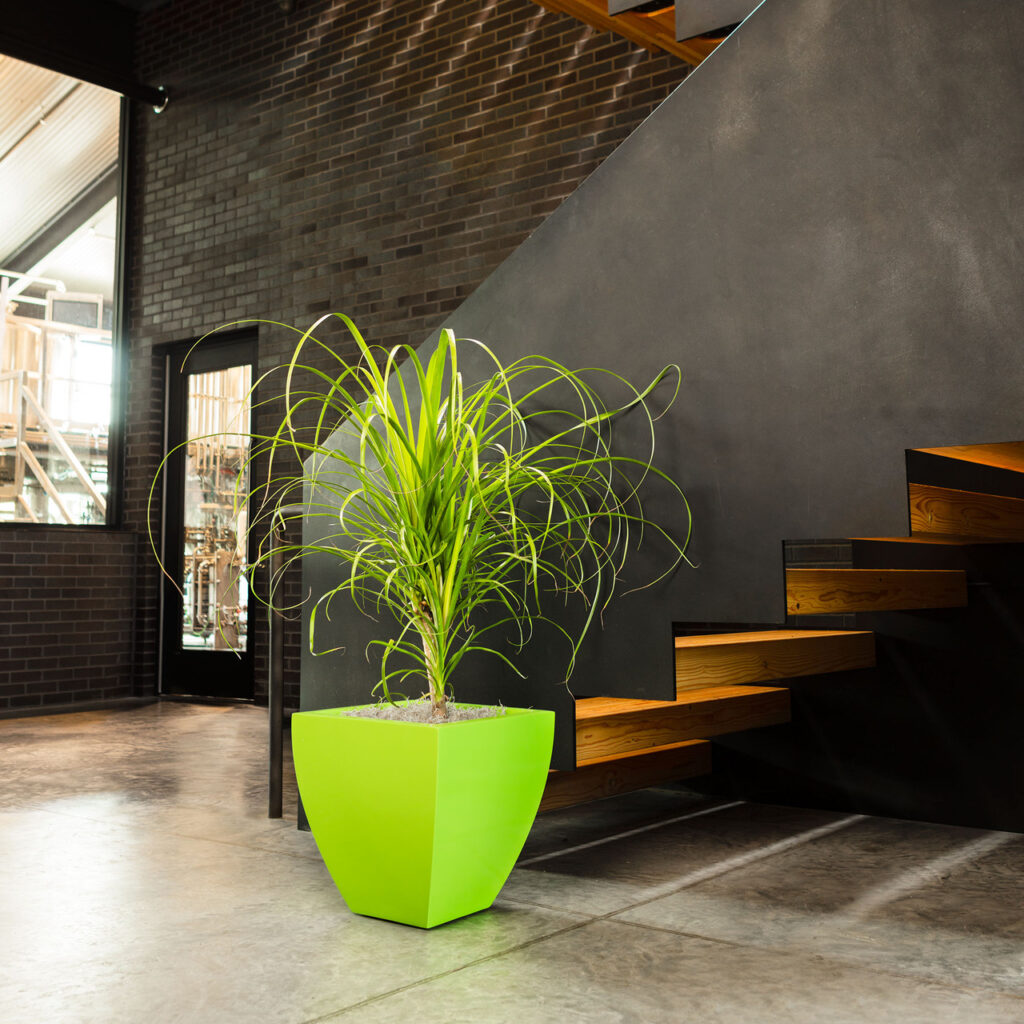
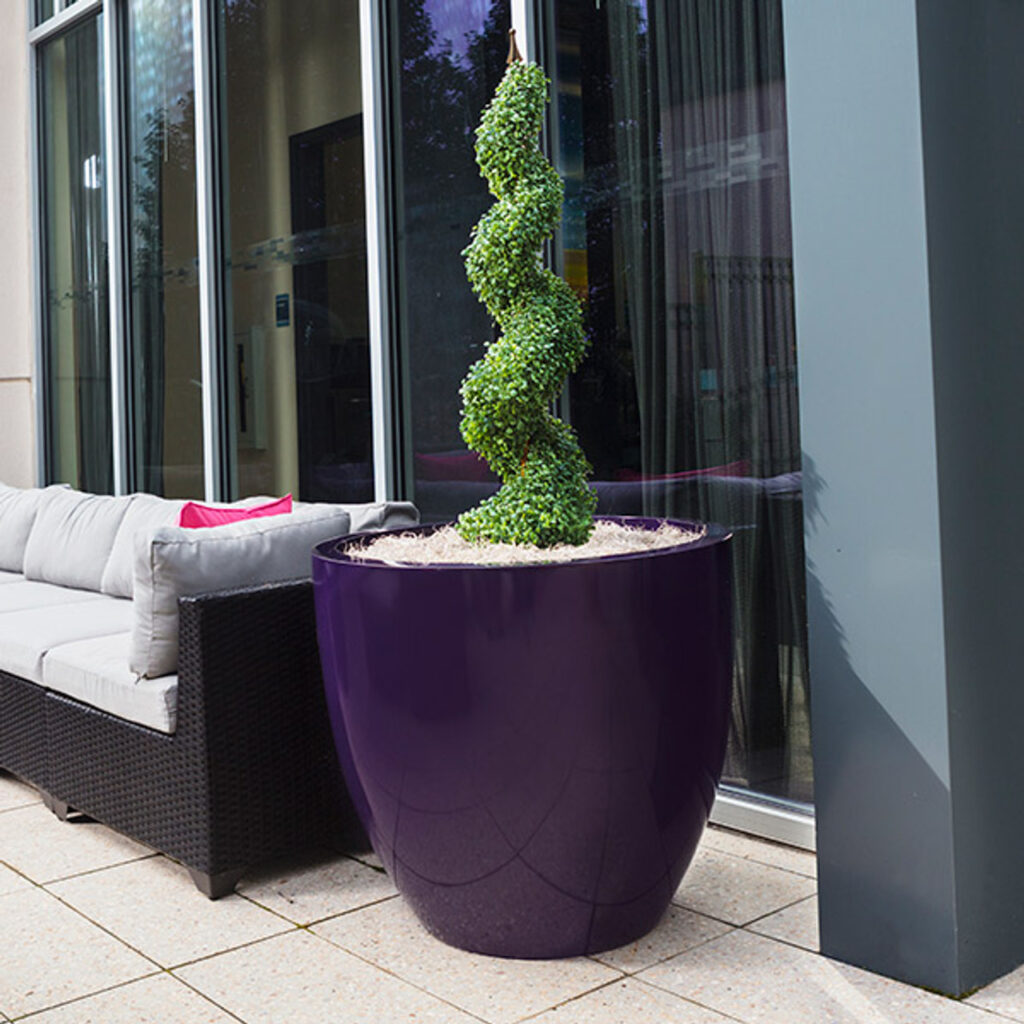
- Aesthetics: Rattan adds warmth to rustic interiors, while fiberglass delivers a sleek, luxurious finish perfect for modern spaces.
- Longevity: Durable planters reduce replacements, saving costs and maintaining consistency in design.
Architectural Considerations
- Scale & Proportion: A tall palm in a slim fiberglass pot can highlight a hotel lobby, while wide concrete planters at entrances create grandeur.
- Color & Texture: Smooth fiberglass in neutral tones suits modern apartments, while textured rattan complements earthy, organic settings.
- Flow of Space: Clusters of small pots can create intimate corners, while oversized planters serve as standalone design statements.
- Sustainability: Choosing durable materials like concrete and fiberglass aligns with eco-conscious design by reducing waste.
Planters in Different Kenyan Spaces
- Homes: Balcony spaces in Nairobi often use fiberglass pots for their lightweight durability, while rattan suits indoor living rooms for a cozy touch.
- Hotels: Concrete pots in outdoor gardens provide permanence and grandeur, enhancing the guest experience from the first impression.
- Restaurants & Cafés: Creative use of rattan and hanging planters creates Instagram-worthy interiors that attract younger audiences.
- Galleries & Offices: Minimalist fiberglass pots with sculptural plants highlight artworks or inspire productivity.
Practical Considerations Before Buying Planters
- Location: Outdoor spaces demand weather-resistant options like concrete and fiberglass, while indoor areas benefit from lighter, stylish rattan or plastic.
- Plant Type: Large-rooted plants like monstera or bird of paradise need sturdy bases, while herbs thrive in lightweight, movable pots.
- Maintenance: Some materials require more upkeep — rattan needs care indoors, while fiberglass and plastic are almost maintenance-free.
- Budget: Plastic offers affordability, but investing in concrete or fiberglass brings long-term value.
Kenyan Inspirations
Luxury Resorts in Diani: Concrete planters define poolside areas with lush palms, blending modern architecture with coastal charm.
Urban Offices in Westlands: Fiberglass planters filled with snake plants and succulents add sophistication to boardrooms while improving air quality.
Farm-to-Table Restaurants: Rattan pots with herbs create a farm-fresh aesthetic while being functional for the kitchen.
Art Galleries in Nairobi: Minimalist fiberglass pots present greenery as sculptural art, enhancing the viewing experience.
Trends in Planter Design for Kenya
- Biophilic Design: Planters are central to connecting humans with nature, especially in urban developments.
- Customization: Hotels and large-scale projects increasingly request custom fiberglass and concrete planters tailored to their architecture.
- Mix & Match Styling: Designers combine different materials (e.g., concrete outdoors, rattan indoors) for layered aesthetics.
- Eco-Conscious Choices: Longevity and locally adapted plants reduce environmental impact.
Final Thoughts
Planters are not just accessories — they’re design statements that reflect taste, culture, and function. In Kenya’s homes, hotels, restaurants, and creative spaces, the right choice of fiberglass, rattan, concrete, or plastic pots transforms ordinary areas into living works of art. By considering aesthetics, usability, and architectural balance, you can create spaces that are modern, sustainable, and deeply connected to nature. Shop Planters That Make a Statement at pots.co.ke
