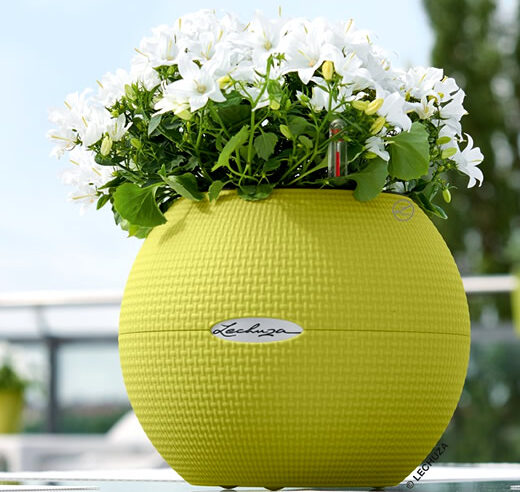
Fiberglass Pots
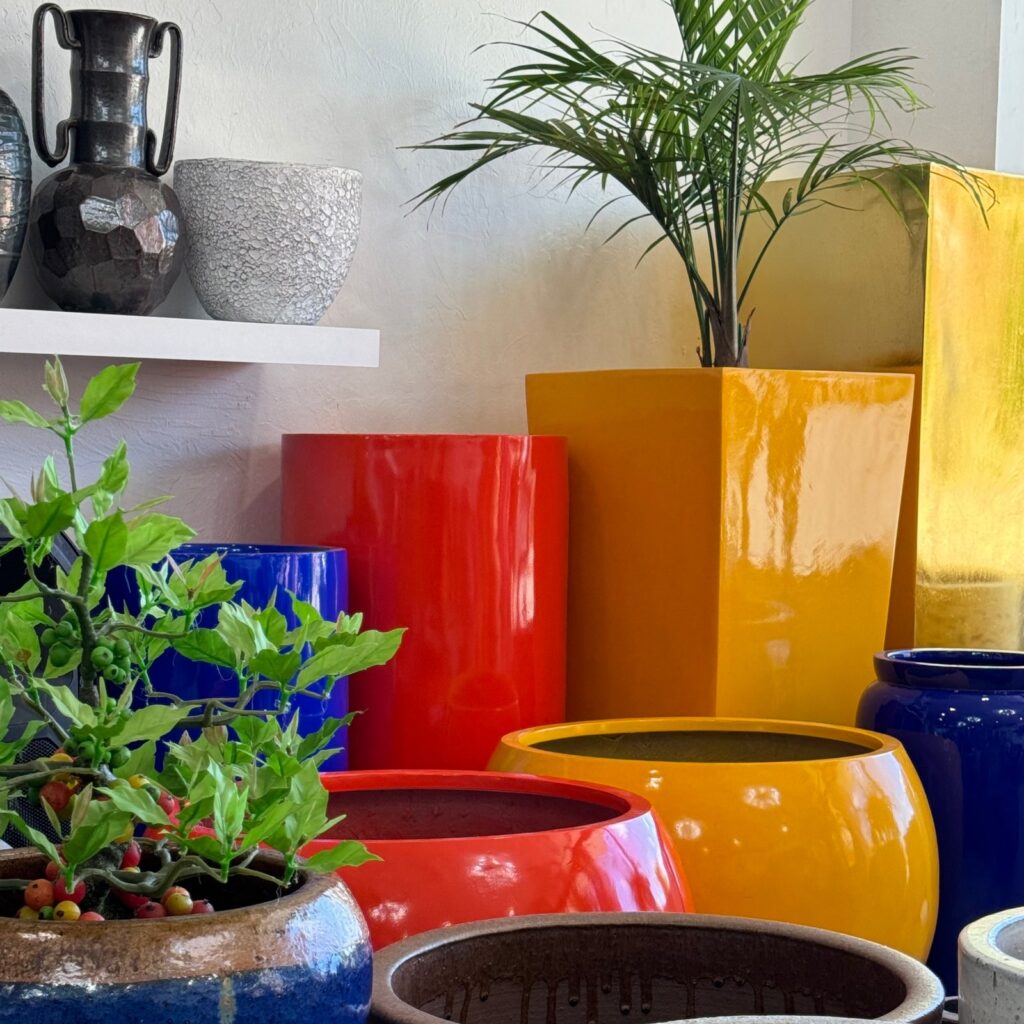
Pros:
- Lightweight but highly durable — easy to move and won’t crack easily.
- Weather-resistant and fade-resistant — good for both indoor and outdoor use.
- Sleek, modern finishes that suit contemporary interiors and patios.
Cons:
- Costlier than basic plastic options.
- Can scratch if dragged on rough surfaces (handle with care).
Best for: Indoor statement plants and stylish outdoor arrangements.
Recommended plants: Fiddle Leaf Fig, Areca Palm, Snake Plant, large decorative shrubs.
Rattan Pots
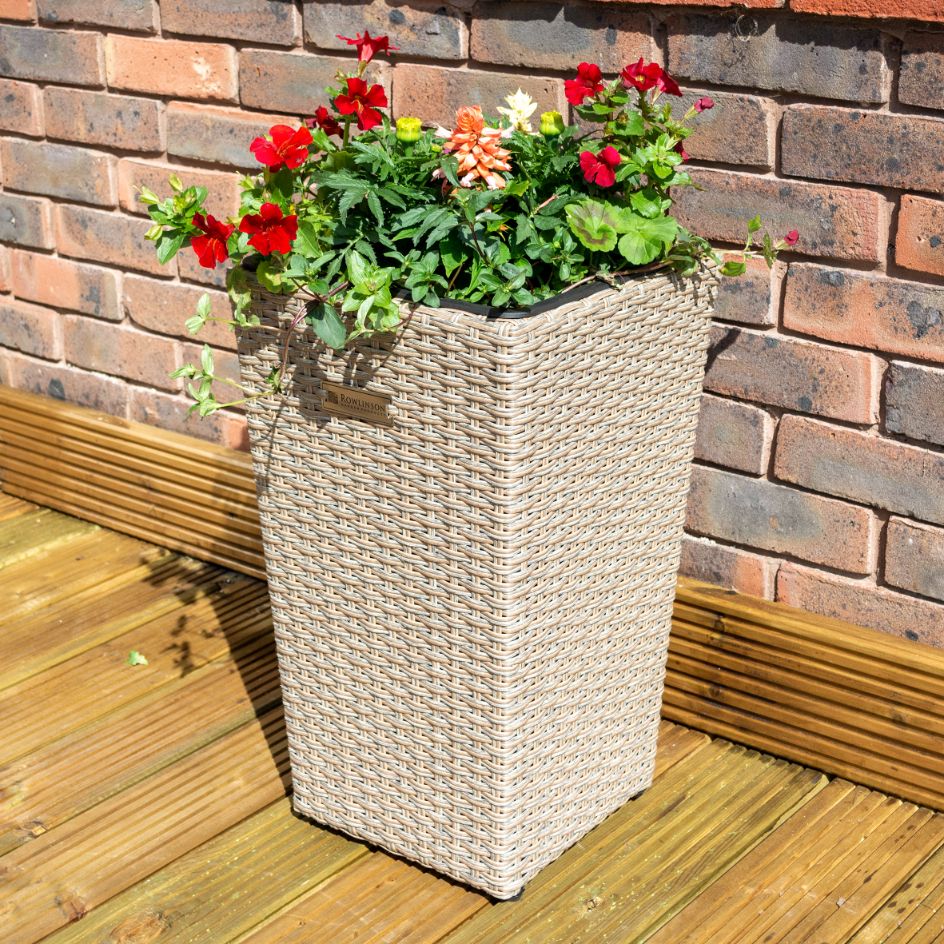
Pros:
- Natural, warm aesthetic that brings texture and coziness to interiors.
- Lightweight and easy to reposition.
- Pairs beautifully with boho, rustic, and contemporary interiors.
Cons:
- Not fully weatherproof — best kept indoors or in shaded, protected outdoor spots.
- Requires occasional maintenance to prevent wear or fraying.
Best for: Indoor areas, covered balconies, and shaded patios.
Recommended plants: Ferns, Pothos, Ivy, small decorative palms, trailing plants.
Concrete Pots
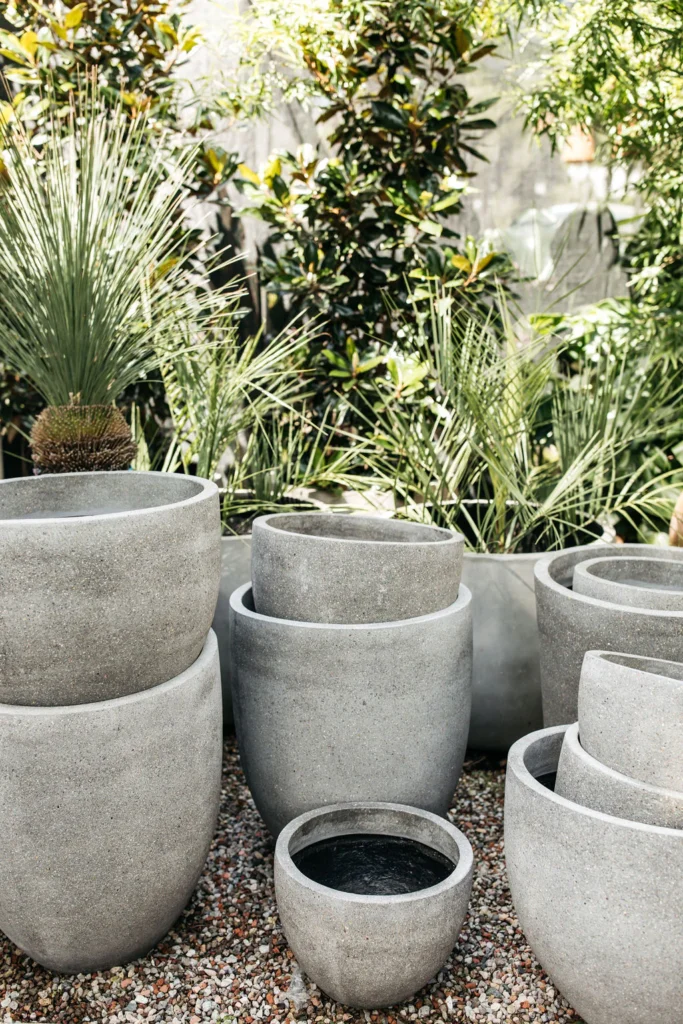
Pros:
- Extremely sturdy and long-lasting — ideal for heavy-duty outdoor use.
- Minimalist, architectural look that anchors a garden or entrance.
- Stable in wind and weather; excellent for large specimens.
Cons:
- Very heavy — difficult to move once placed.
- Can retain moisture if drainage is poor; choose well-draining mixes and drainage holes.
Best for: Outdoor landscaping, terraces, and dramatic statement pieces.
Recommended plants: Succulents, Bird of Paradise, Monstera, small trees, large shrubs.
Plastic Pots
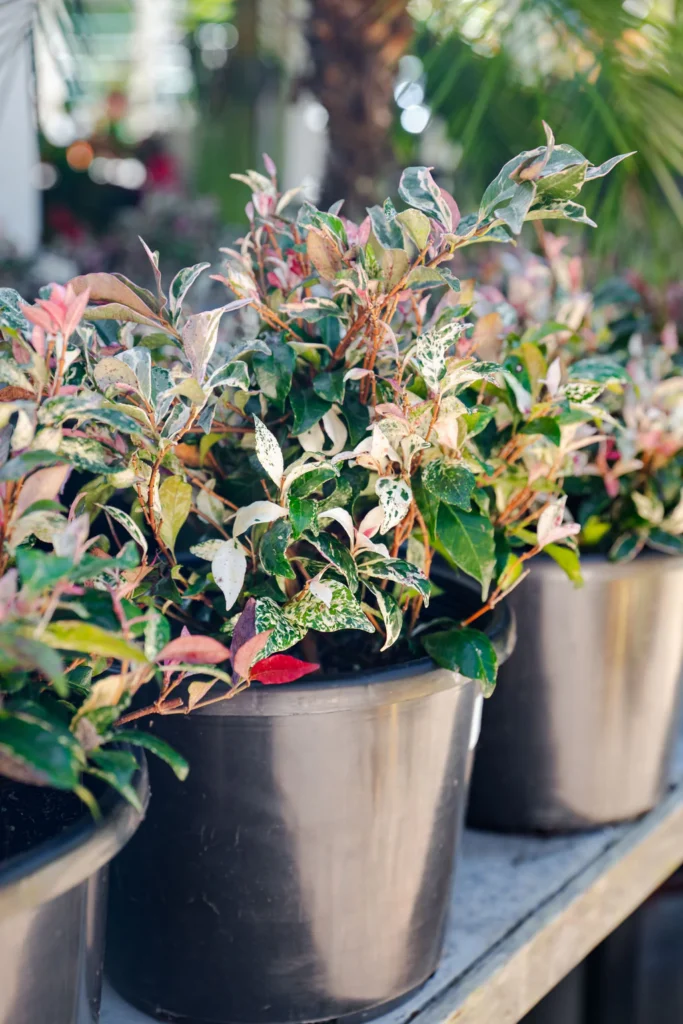
Pros:
- Affordable, lightweight, and easy to transport.
- Available in many shapes, sizes, and colors — great for flexible styling.
- Perfect for beginners and frequent re-potters.
Cons:
- Can fade or become brittle under prolonged direct sun.
- Less premium look compared to fiberglass or concrete.
Best for: Starter plants, indoor collections, balcony gardens, and nursery use.
Recommended plants: Herbs, seedlings, small houseplants, flowering annuals.
How to Choose the Right Planter for Your Space
- Match material to location: concrete for outdoor permanence, rattan for cozy indoors, fiberglass for versatile modern use, and plastic for affordability and mobility.
- Consider plant size & growth: choose larger, heavier planters for big root systems; lightweight planters for plants you’ll move often.
- Think drainage & soil: ensure adequate drainage holes and a suitable potting mix to avoid root rot.
- Factor maintenance: materials like fiberglass and plastic require less upkeep than natural rattan or heavy concrete.
Final Thoughts
Your planter should support plant health and reflect your style. Whether you want the refined look of fiberglass, the natural charm of rattan, the bold statement of concrete, or the practical versatility of plastic — pots.co.ke has the perfect option. Browse our curated selection and find the ideal planter to transform your space.
